Manual vs Automatic Commercial Soap Dispensers
The first decision on any commercial soap dispenser specification is whether to go manual or automatic. Both serve the same purpose but suit different environments and budgets.
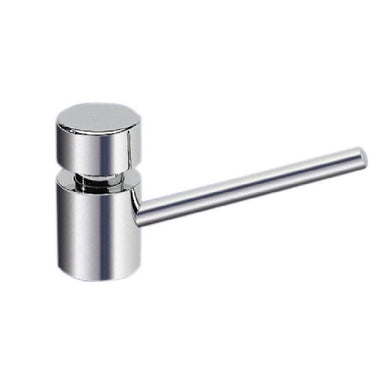
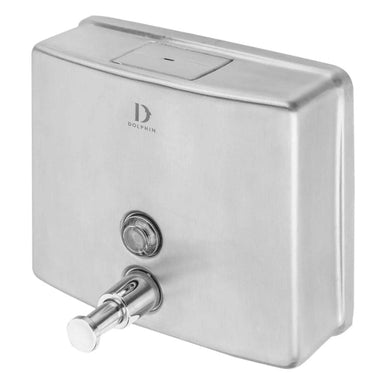
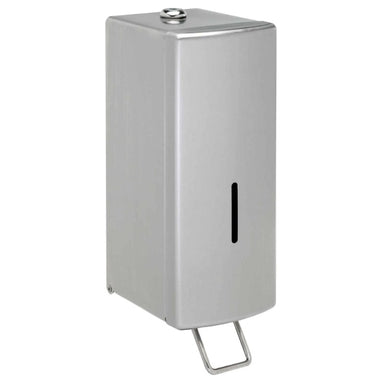
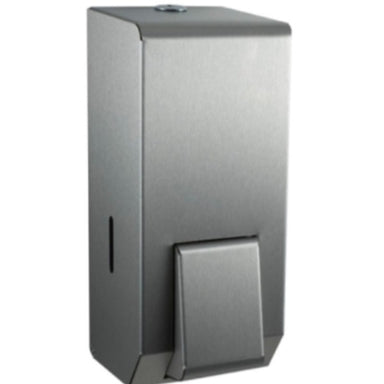
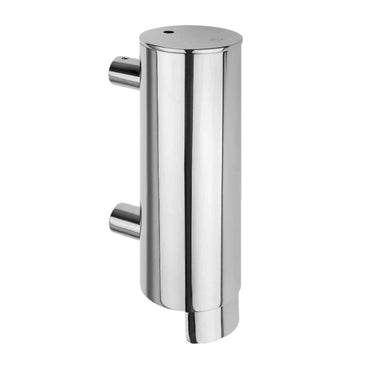
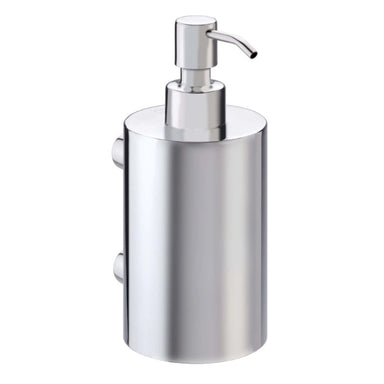
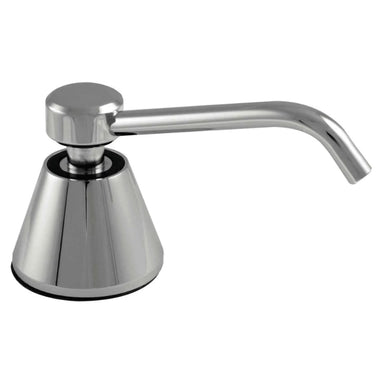
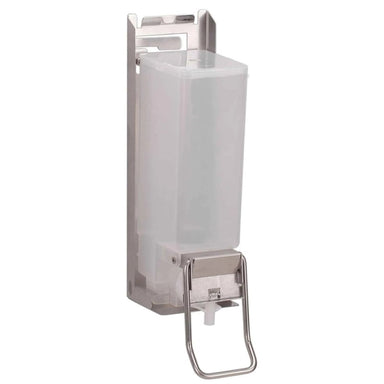
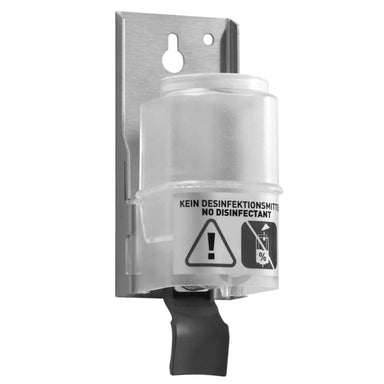
Manual soap dispensers are operated by pressing a push button or lever to release a dose of soap. They require no power supply, have fewer moving parts and are straightforward to service. The cost per unit is lower and refilling is simple. Manual dispensers are a reliable and practical choice for moderate footfall settings such as offices, staff washrooms and smaller hospitality venues where the simplicity and lower running cost are the priority.
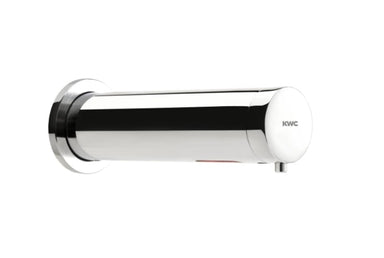
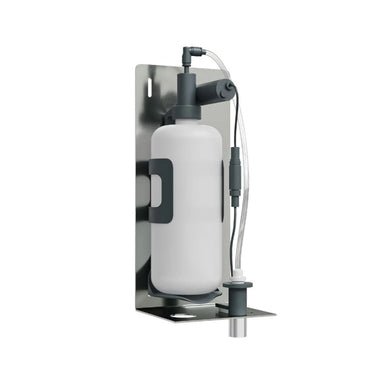
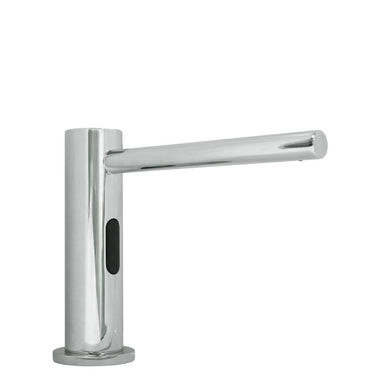
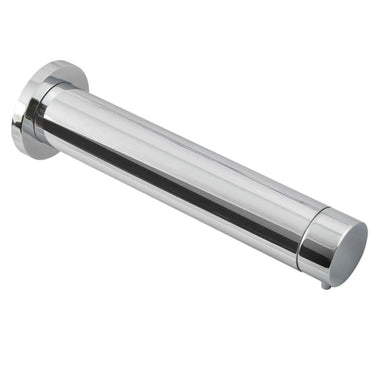
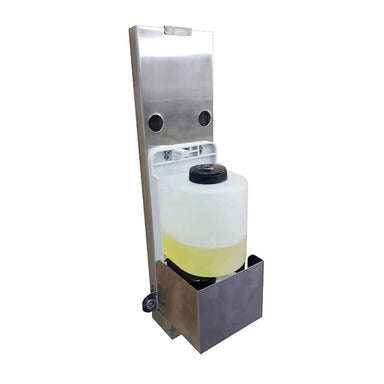
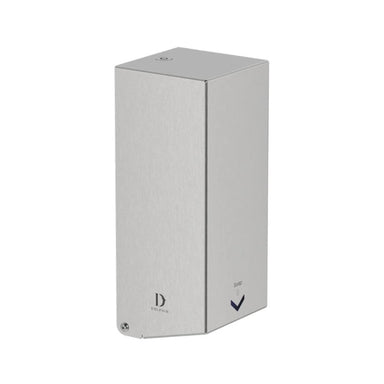
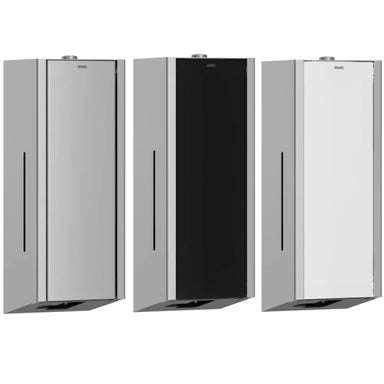
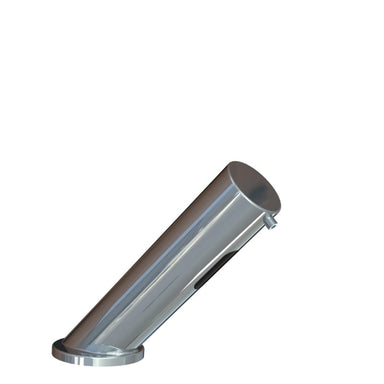
Automatic sensor soap dispensers use an infrared sensor to detect hands and release a pre set dose without any contact with the unit. This eliminates a touch point at the basin, which is a meaningful hygiene improvement in any environment. Automatic dispensers also control the dose precisely, which reduces waste and lowers soap consumption over time. They require a battery or mains power supply and are the preferred specification for healthcare settings, schools, high footfall public washrooms and any environment where hygiene and reduced maintenance are the primary drivers.
Foam vs Liquid Soap Dispensers
The second decision is whether to specify a foam or liquid soap dispenser. This affects running costs, refill frequency and the experience at the basin.
Liquid soap dispensers dispense a measured dose of soap directly onto the hand. They are compatible with a wide range of standard soap formulations and are the most common type in commercial washrooms. The dose per pump is typically between 1ml and 2ml, and the soap requires water and lathering to reach full coverage.
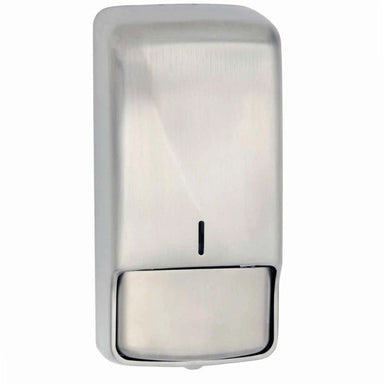
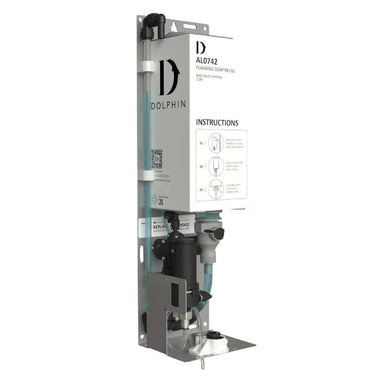
Foam soap dispensers mix the soap with air inside the pump mechanism and deliver a pre lathered foam directly to the hand. The key advantage is economy. Foam dispensers use significantly less soap product per wash than liquid dispensers, as the foam provides greater coverage and spread from a smaller volume. Foam soap also rinses off more quickly, which reduces the time spent at the basin and the amount of water used per wash. Over the course of a year in a high footfall washroom, the savings on soap refills are substantial. Foam dispensers require a specific foam soap formulation and are not compatible with standard liquid soap.
Choosing the Right Commercial Soap Dispenser
For offices and lower footfall commercial washrooms, a manual liquid dispenser is the most straightforward and cost effective choice. Simple to install, easy to refill and no batteries required.
For higher footfall environments including schools, public washrooms, leisure facilities and food service venues, an automatic foam dispenser is the stronger specification. The touchless operation improves hygiene at the basin, the foam format reduces soap consumption and refilling frequency, and the controlled dose prevents the over dispensing that typically happens with manual push dispensers in busy environments.
For healthcare settings, automatic sensor dispensers are the standard. Touchless operation is a hygiene requirement and the consistent controlled dose supports infection control protocols. The dispenser should be positioned within reach of the basin without requiring users to touch the unit at any point in the handwashing process.
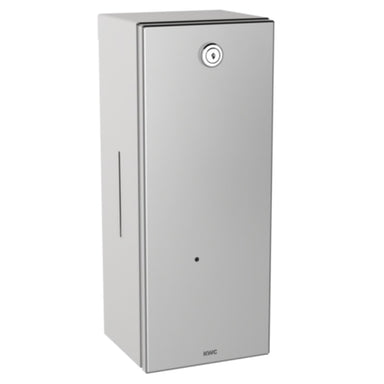
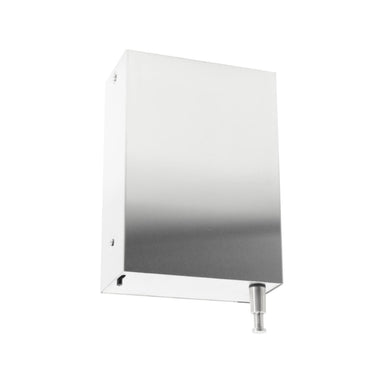
For vandal resistant applications in prisons, secure facilities or high risk public environments, look for dispensers with a robust housing and concealed or recessed fixing points. Stainless steel or heavy gauge ABS plastic units are the appropriate specification for these settings.