What Urinal Fittings Are Required for a Complete Installation
A urinal bowl or trough is only one part of a complete installation. Every urinal system requires a water supply connection, pipework to distribute water to each bowl or position, a spreader at each position to distribute the flush across the bowl surface, a waste outlet and trap at each position, and a flush control to regulate when and how water is released.
For a single bowl installation the pipework requirements are straightforward. For multi-bowl configurations, the supply pipework branches from a single feed and serves each bowl in sequence. The number of bowls determines the cistern capacity or flush valve specification required to deliver adequate water volume across all positions simultaneously.
Getting the fittings right at specification stage avoids compatibility issues on site. Spreaders, pipe kits and wastes should be matched to the bowl make and model. Cistern or flush valve capacity should be specified to match the number of bowls being served.
Exposed and Concealed Urinal Pipework
Exposed pipework installations have the cistern, flush pipes and spreaders mounted visibly on the wall surface. This is the simpler installation method and gives straightforward access for maintenance and adjustment. Exposed installations are suited to utility environments, industrial washrooms and any setting where ease of servicing takes priority over appearance.
Concealed pipework hides the cistern and supply pipes behind a duct panel or within a service wall. Only the bowls are visible on the face of the installation. Concealed systems are better suited to office, hotel, education and healthcare environments where a clean, tamper resistant finish is required. The cistern and pipework must be accessible via a panel or access hatch for future servicing.
The pipework configuration determines which spreader type is required. Exposed installations use a top inlet spreader that accepts the flush pipe from above. Concealed installations use a back inlet spreader fed through the duct panel from behind. Side inlet spreaders are available for specific installation configurations where neither top nor back entry is possible.
Urinal Frames, Dividers and Wastes
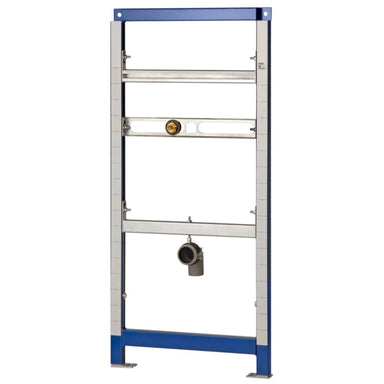
Urinal frames provide a fixed mounting structure for wall hung bowls where the wall structure alone cannot carry the bowl load or where a specific bowl height is required. Frames are fixed to the wall and floor during first fix before the duct panel or wall finish is applied. Not all bowl models require a dedicated frame as some fix directly to the wall using brackets supplied with the bowl.
Urinal dividers provide privacy between positions and are a standard requirement in most commercial washroom specifications. They are available in ceramic to match the bowl material or in stainless steel where a more durable or vandal resistant finish is needed. Dividers are fixed to the wall and sized to suit the bowl dimensions and centre spacing of the installation.
Urinal wastes connect the bowl outlet to the soil pipe and incorporate a trap to prevent drain odours entering the washroom. Wastes are available in horizontal and vertical outlet configurations to suit different drain positions. The trap type required depends on the installation layout and the access available for future maintenance.
Flush Controls and Water Regulations Compliance
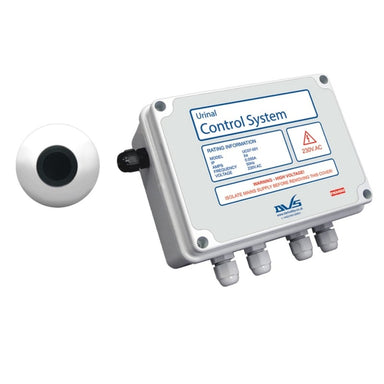
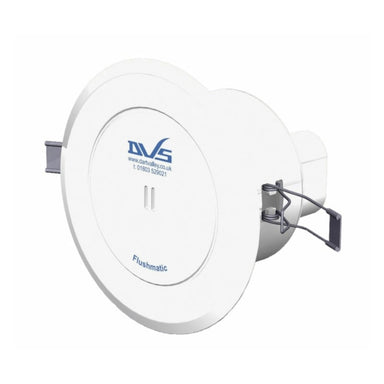
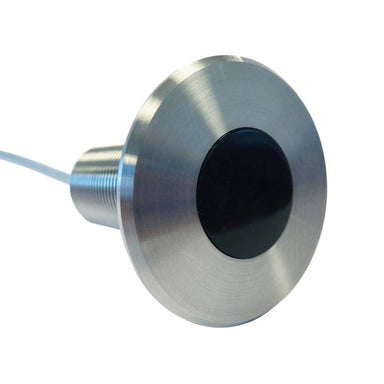
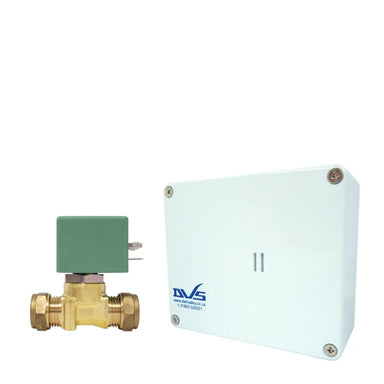
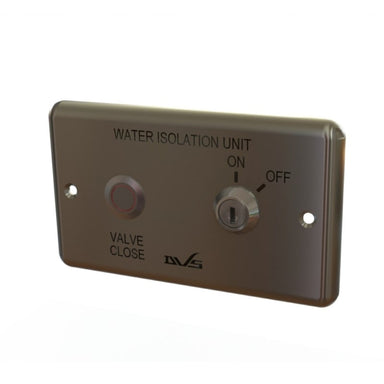
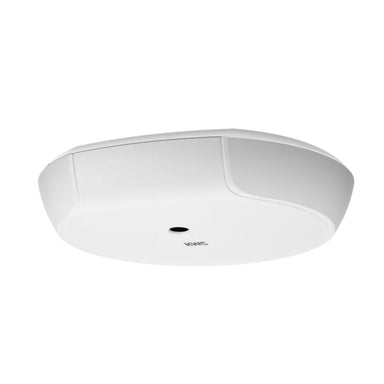
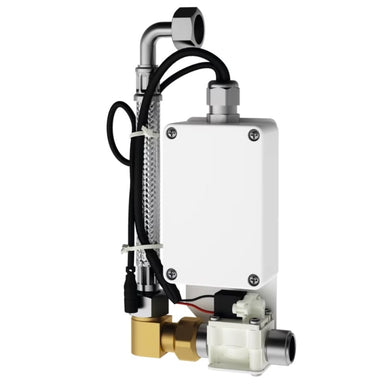
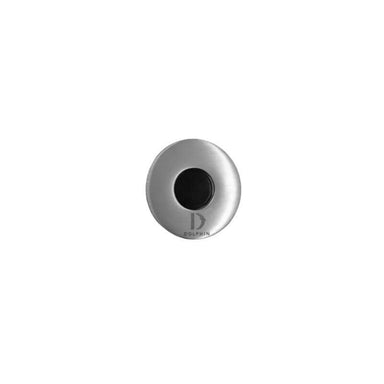
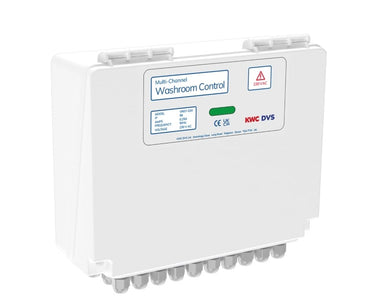
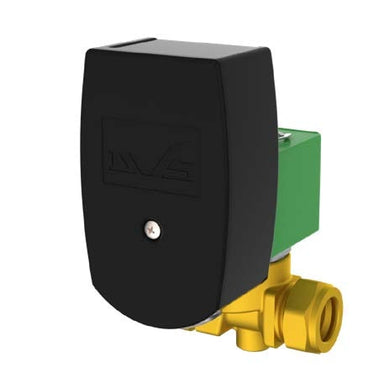
The Water Supply (Water Fittings) Regulations 1999 require that urinals in non-domestic premises are controlled by automatic flushing systems that prevent flushing when the building is unoccupied. Timed cisterns that flush continuously regardless of whether the building is in use do not comply. Compliant options include infrared sensor flush valves, demand-controlled electronic flushing systems and sensor-operated cistern controllers.
The regulations set a maximum flush volume of 1.5 litres per bowl per hour averaged over a 24 hour period. All urinal fittings installed in the UK must be WRAS approved or otherwise demonstrated to comply with the Water Fittings Regulations.