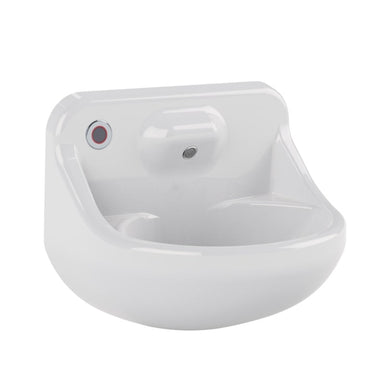
What Is an Anti Ligature Basin?
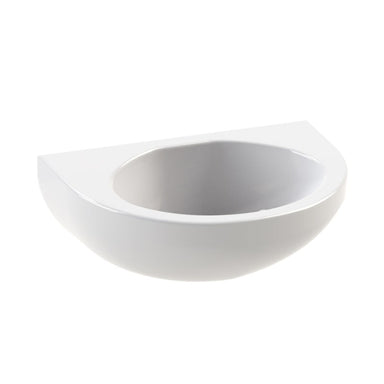
A ligature point is any feature of a room or fitting that could be used to anchor a cord, rope or other material in a way that could cause self harm. In a standard washroom, basins present multiple ligature risks: exposed tap heads and levers, overflow outlets, visible pipework beneath the basin, exposed fixing bolts, and the gap between the basin and the wall. An anti ligature basin is engineered to remove or minimise all of these risks within a single unit.
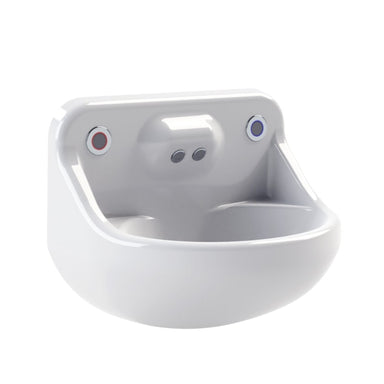
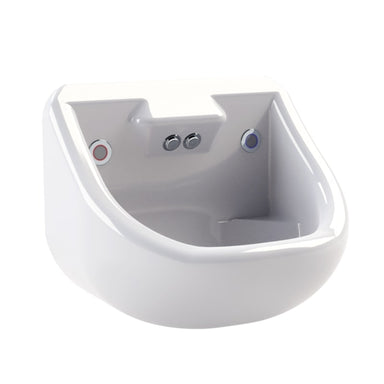
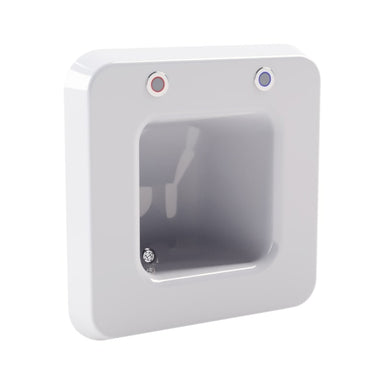
The core design principle is concealment. On a standard basin, the tap, waste, overflow and supply pipework are all accessible and potentially usable as anchor points. On an anti ligature basin, all of these elements are either recessed into a sealed backplate, removed entirely, or designed with a profile that prevents a ligature from being looped and held. The backplate itself sits flush to the wall, eliminating the gap behind a standard pedestal or wall hung basin where items can be tied or concealed.
Tap controls on anti ligature basins are typically either no touch infrared sensors or recessed tactile buttons, both of which activate water without any projecting handle or lever. The spout is low profile and integrated into the backplate or basin body. Some models eliminate the spout projection entirely, with water delivered from a recessed outlet in the backplate surface.
Where Are Anti Ligature Basins Specified?
Anti ligature basins are required in any clinical or secure environment where there is an assessed risk of self harm and where the specification of the room must reflect that risk. The environments where they are most commonly specified are:
Acute mental health wards and psychiatric intensive care units (PICU) have the highest level of ligature risk and require the most comprehensive anti ligature specification. Every fitting in the room is assessed and the washroom is typically specified as a complete anti ligature ensuite with basin, WC and tap controls all from an integrated system.
CAMHS inpatient units and secure children's homes apply the same standard as adult acute units. The risk profile of young people in these settings is high and the specification requirements are equivalent to adult mental health environments.
Low, medium and high secure forensic units require anti ligature specification throughout patient areas. The combination of mental health needs and the secure setting means both ligature risk and vandal resistance are active requirements.
Eating disorder units, substance misuse units and other specialist mental health facilities all require anti ligature washrooms, though the specific level of specification will depend on the risk assessment for each unit and patient group.
Prison healthcare wings and in-patient units within custodial settings require anti ligature specification in the clinical areas, distinct from the standard high security specification applied to the general estate. For the full range of products suitable for secure and custodial environments, see our anti ligature washroom products.
Completing the Anti Ligature Specification
A basin alone does not constitute a complete anti ligature washroom. The full specification requires every fitting in the room to meet the same standard. Our range covers anti ligature taps and anti ligature toilets alongside basins, allowing a complete coordinated washroom to be specified from a single supplier.
The tap controls specified with the basin are as important as the basin itself. A no touch infrared sensor removes the need for any contact with the fitting and eliminates the tap body as a ligature or impact risk. Tactile sensor controls are appropriate for lower risk environments where some user interaction with the fitting is acceptable. Both options are available within the range.
When specifying an anti ligature washroom, the risk assessment for the specific environment should drive the product selection. The level of specification appropriate for a PICU differs from that required for a medium secure unit or a prison healthcare wing. If you are specifying a project and need guidance on the right product for the environment, contact our team and we will help match the specification to the clinical requirement.
Frequently asked questions
What makes a basin anti ligature?
An anti ligature basin is designed to eliminate or minimise the points where a cord, rope or ligature material could be looped and anchored. Key design features include a fully recessed or integrated backplate that eliminates exposed pipes and fittings, a low profile spout with no protruding tap head or lever, concealed fixings with no exposed screws or bolts, and no overflow outlet. Higher security models activate water through a recessed tactile button or a no touch infrared sensor built into the backplate.
What is the difference between anti ligature and vandal resistant basins?
Vandal resistant basins are designed to withstand physical abuse, impact and deliberate damage. Anti ligature basins are designed to eliminate anchor points that could be used for self harm. The two requirements often overlap and many anti ligature basins are also vandal resistant, but they are not the same specification. A prison or secure facility may require vandal resistance as the primary driver. A psychiatric unit or mental health facility requires anti ligature design as the primary driver, with vandal resistance as a secondary consideration.
What environments require anti ligature basins?
Anti ligature basins are required in any environment where there is a risk of self harm and where the duty of care demands the elimination of ligature points. This includes acute mental health wards, psychiatric intensive care units, CAMHS inpatient facilities, secure children's homes, eating disorder units, substance misuse units, low and medium secure forensic units, and prison healthcare wings. The exact level of specification required depends on the risk assessment for each specific environment and patient group.
Do anti ligature basins require specialist installation?
Anti ligature basins are installed by standard plumbing trades but the method differs from a standard basin. Most models use a concealed backplate fixed to the wall before the basin is attached, with all pipework run behind the wall or within the backplate housing. The first fix plumbing needs to account for the backplate dimensions and fixing centres. Manufacturer installation instructions must be followed precisely as any exposed fixings or pipework following installation will compromise the anti ligature specification.
Can anti ligature basins be fitted with sensor taps?
Yes. Most anti ligature basin systems are designed to work with no touch controls as the preferred tap option. Infrared sensor activation removes the need for any protruding tap head, button or lever, which further reduces ligature and impact risk. Tactile sensor controls that activate with a light touch rather than a twist or lever are also available. Both options are appropriate for anti ligature specifications and the right choice depends on the risk level of the environment and the clinical requirements of the facility.